Source Wooden Bird Parrot Pet Ladder for Climbing, Training, and Play
Find 30 Wooden Bird Parrot Pet Ladder options from Chinese manufacturers. Compare specifications like size, material, and customization for parrots and rabbits. Source stable climbing toys for indoor and outdoor use; compare the available evidence and request quotations based on your requirements.
Key considerations
Products List
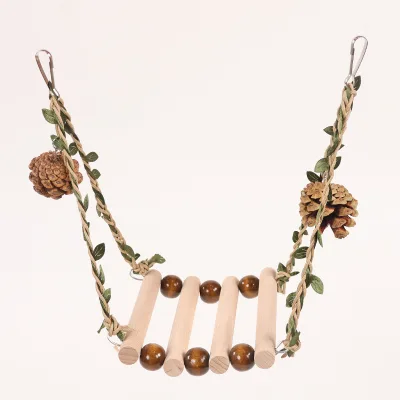
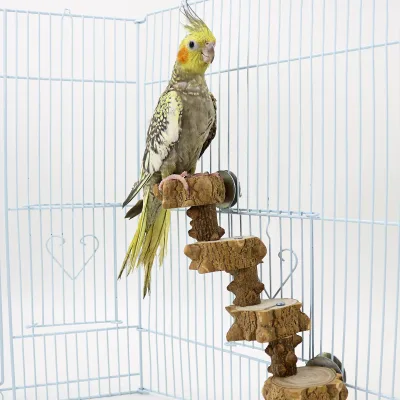
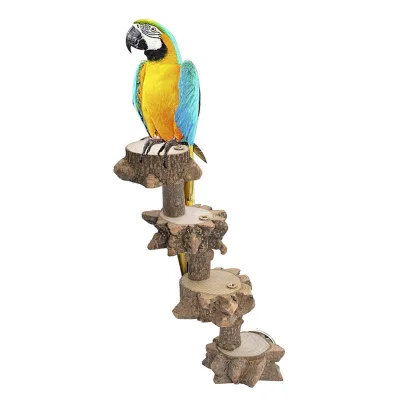
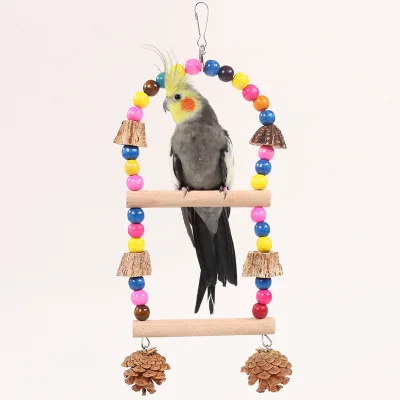

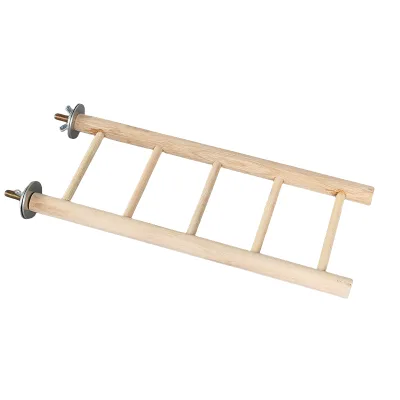
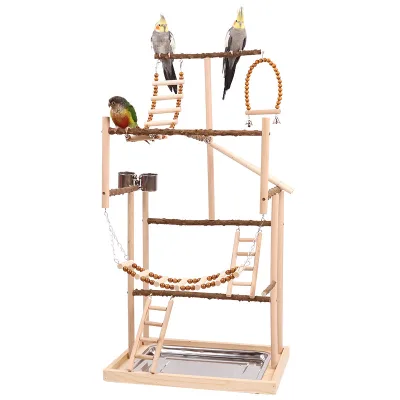
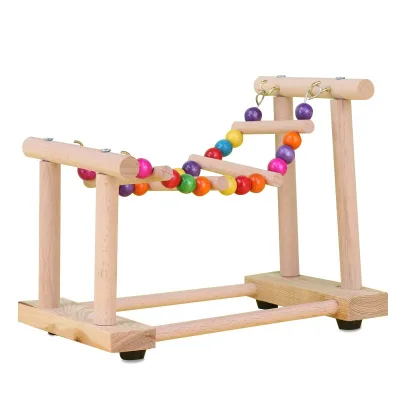
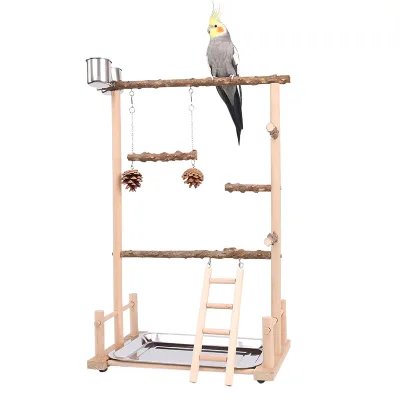

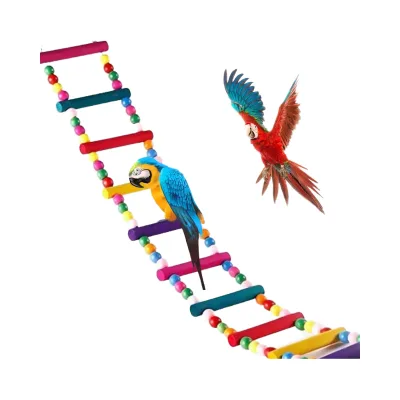
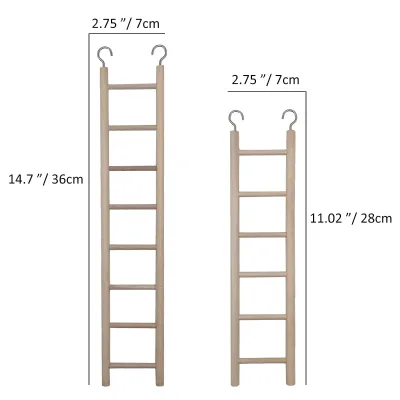
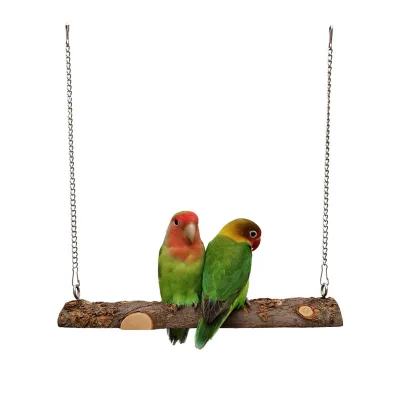
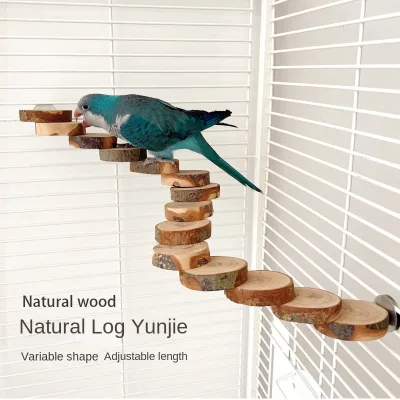


Comprehensive Sourcing Guide
Wooden Bird Parrot Pet Ladder Sourcing Guide
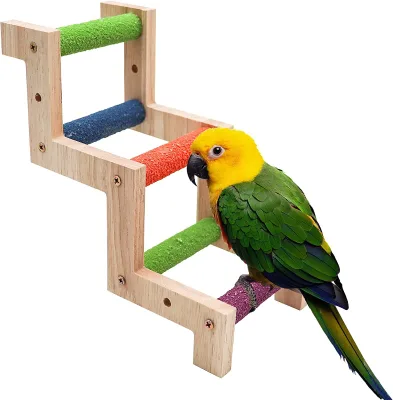
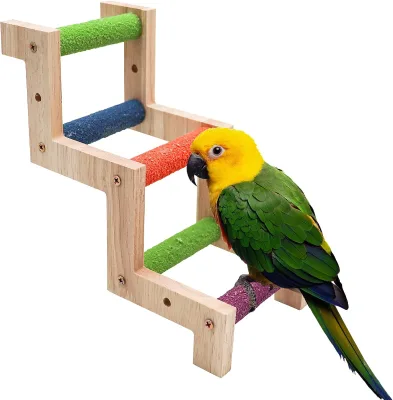
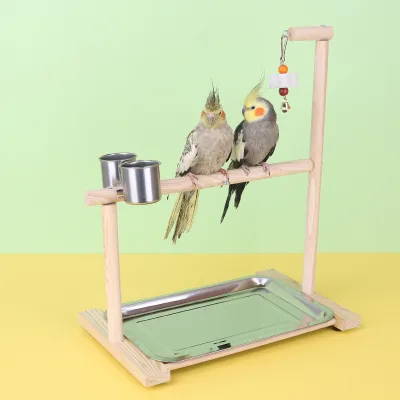
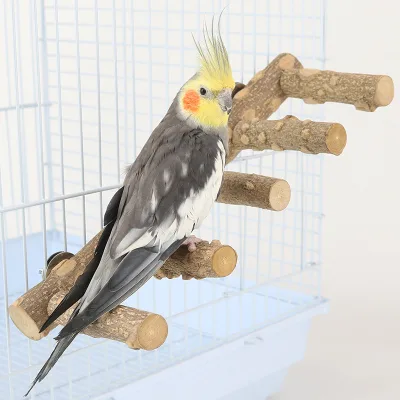
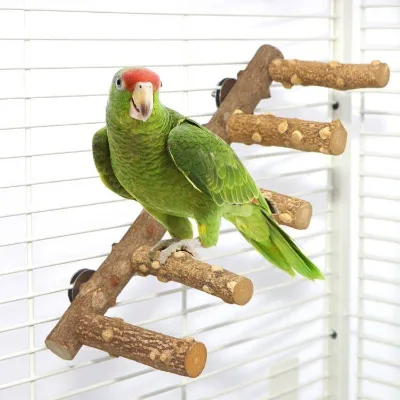
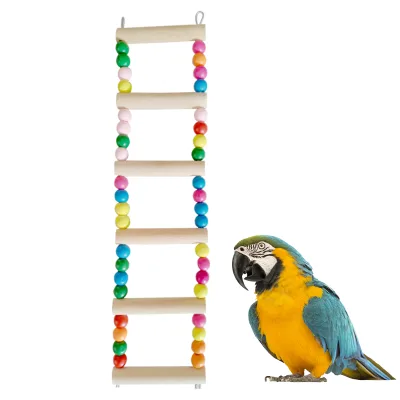
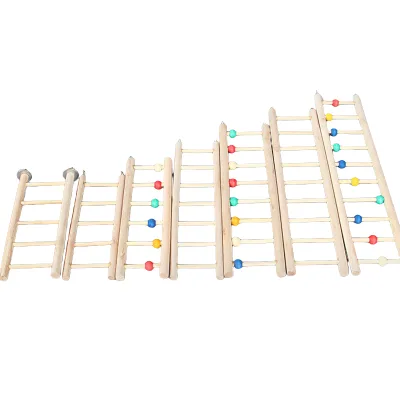
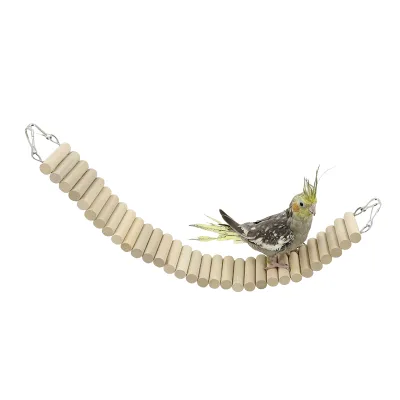
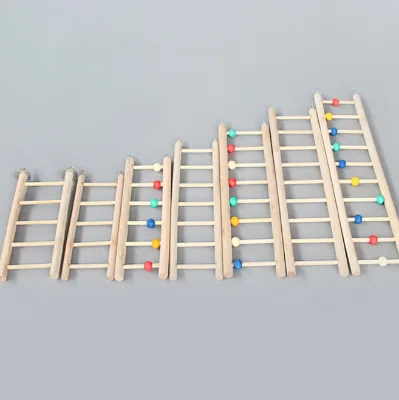
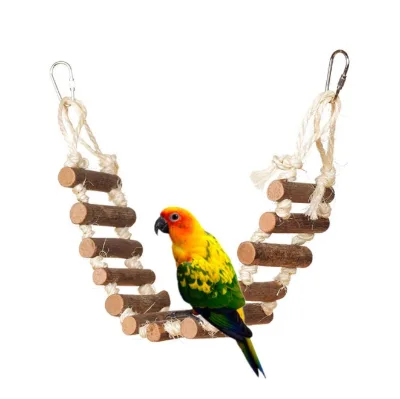
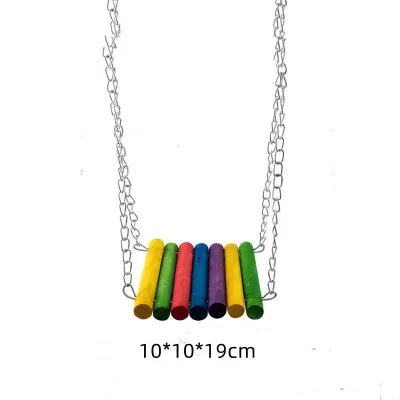
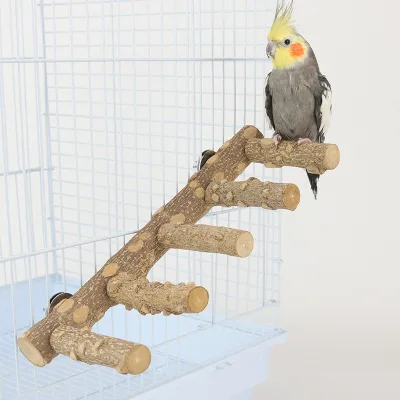
Procurement of wooden bird parrot pet ladders requires distinguishing between decorative wall hangings and functional climbing structures designed for active play. The market presents items ranging from polished wooden ladders intended as aesthetic wall decorations to rugged, corrugated wood toys specifically engineered for parrots and rabbits. Buyers must carefully analyze product descriptions to ensure the item matches the intended use, as some listings prioritize visual appeal with modern styles while others focus on durability and boredom-busting features for active pets.
Verification of the specific model number and material composition is critical before placing an order, as the supply chain offers diverse configurations. Some units are constructed from solid wood with polished techniques for a refined look, while others combine wood with corrugated materials to enhance grip and chewing resistance. Understanding these material distinctions helps buyers align their selection with the specific behavioral needs of their avian or small mammal inventory, ensuring the purchased ladder serves its purpose without compromising animal safety or structural integrity.
Product Scope and Observed Listing Signals
The observed product listings reveal a significant variance in minimum order quantities, ranging from 50 pieces to 500 pieces depending on the specific manufacturer and customization level. This disparity directly impacts procurement strategy, as smaller buyers may find the 50-piece threshold more accessible for initial testing, while larger retailers might negotiate better terms with suppliers requiring higher volume commitments. Buyers should scrutinize the stated MOQ alongside the unit price to determine the most cost-effective entry point for their specific business scale and inventory turnover requirements.
Listing signals also indicate a strong emphasis on customization capabilities, with many suppliers explicitly welcoming OEM and ODM requests for logos, shapes, and dimensions. This flexibility allows buyers to create branded products that stand out in competitive markets, though it necessitates clear communication regarding design specifications and sample approval timelines. The availability of customized colors and patterns further expands the scope, enabling purchasers to tailor the aesthetic to match specific interior themes or brand identities while maintaining the core functional attributes of a climbing ladder.
Technical Specifications to Verify
Buyers must rigorously verify physical dimensions and packaging metrics to ensure compatibility with shipping logistics and retail display requirements. Specific listings provide precise measurements such as 10 x 7.28 x 7.08 inches for the product itself, alongside single package sizes like 35x22x20 cm or 40.5x8.5x29.5 cm. These figures are essential for calculating freight costs and warehouse space utilization, as the gross weight per unit, ranging from 0.611 kg to 1.300 kg, significantly influences the total shipping volume and handling requirements for international orders.
Technical verification extends to the structural design and surface finish, which directly affect the longevity and safety of the product for the end-user. Some products feature a polished technique suitable for decorative wall hanging applications, while others are designed with stable frames and natural materials to withstand the vigorous activity of parrots and rabbits. Confirming whether the item includes a frame or relies on wall mounting is crucial, as this determines the installation method and the necessary accessories required for a complete, safe setup in a pet environment.
Compliance and Safety Documentation
Safety compliance for pet products hinges on the verification of material safety and the absence of toxic finishes, particularly since birds and small mammals are prone to chewing on their environment. While specific certification names are not universally listed in the provided data, buyers must request documentation confirming that the wood and corrugated materials are free from harmful chemicals, heavy metals, or unsafe adhesives. Ensuring the product meets general pet safety standards is non-negotiable to prevent health risks and maintain brand reputation in a regulated market.
Documentation regarding the intended application and seasonal suitability also plays a vital role in compliance and liability management. Products are often marketed for use in all seasons and various scenarios, including both indoor and outdoor environments, which requires verification of weather resistance and structural stability under different conditions. Buyers should ensure that the supplier provides clear usage guidelines that align with the product's design, particularly for items labeled as stable or suitable for specific breeds, to mitigate risks associated with improper use or environmental degradation.
Cost Drivers and Commercial Terms
The commercial landscape for these products is defined by flexible payment structures and variable pricing based on order volume and customization complexity. Common payment terms include a 30% deposit followed by a 70% balance, or direct transfers via T.T., which buyers must align with their cash flow management strategies. The observed price range of 0.22 to 14.58 USD per unit reflects the diversity in materials, from simple wooden ladders to more complex corrugated designs, necessitating a detailed cost-benefit analysis before committing to a specific supplier.
Lead times and sample availability are significant cost drivers that influence the overall procurement timeline and initial investment. Suppliers typically require 7 to 10 days for sample production, which allows buyers to evaluate quality and design before scaling up to full production runs. Understanding these timelines is essential for inventory planning, as delays in sample approval or production can impact market launch schedules. Buyers should factor in the cost of samples and the potential for rework when negotiating final commercial terms with potential vendors.
Supplier Qualification and Quality Control
Supplier qualification should prioritize manufacturers with a proven track record in producing pet accessories, as evidenced by their willingness to accept OEM and ODM requests. The presence of specific brand names and model numbers in listings suggests a level of established production capability, but buyers must verify the supplier's capacity to maintain consistent quality across large batches. Checking the origin of the product, such as Shandong or Zhejiang in China, can provide insights into the regional manufacturing expertise and the typical quality standards associated with those industrial hubs.
Quality control protocols must be established to ensure that the finished ladders meet the specified design and safety requirements. Buyers should implement a rigorous inspection process that checks for structural stability, surface finish quality, and adherence to the agreed-upon dimensions and materials. Given the variation in gross weight and package size, it is also important to verify that the packaging, typically carton boxes or wooden trays, protects the product adequately during transit to prevent damage and ensure the item arrives in sellable condition.
Long-Term Procurement Checks
Sustaining a successful supply chain for wooden bird ladders requires ongoing monitoring of supplier performance and product consistency over time. Buyers should regularly review the supplier's ability to meet delivery schedules and maintain the quality standards established during the initial sampling phase. Continuous communication regarding any changes in materials or production techniques is essential to prevent unexpected deviations that could affect the safety or appeal of the final product in the market.
Long-term checks also involve assessing the adaptability of the supplier to changing market trends and customer preferences. As pet owners increasingly seek natural materials and customized designs, suppliers must remain agile in offering new styles, colors, and functional features. Establishing a partnership based on mutual growth and open dialogue ensures that the procurement strategy remains responsive to market demands, allowing buyers to maintain a competitive edge while delivering high-quality products that meet the evolving needs of pet owners.
FAQs
What materials are used for wooden bird parrot pet ladders?
These ladders are primarily constructed from natural wood, with some models incorporating corrugated cardboard for added texture and durability. The use of natural materials ensures a safe and engaging environment for pets like parrots and hamsters. The polished technique provides a smooth finish, while the sturdy design supports climbing activities without compromising the structural integrity of the toy during regular use.
Can I customize the size and logo of the pet ladder?
Yes, OEM and ODM services are highly welcomed for these products. Buyers can request customized shapes, sizes, and logos to match their brand identity. The product supports various specifications, allowing for tailored dimensions that fit specific pet breeds or cage setups. This flexibility ensures that the final product meets unique aesthetic and functional requirements for different market segments.
What is the typical MOQ for ordering wooden pet ladders?
The minimum order quantity varies by supplier, ranging from 50 pieces to 500 pieces. Some manufacturers accept lower MOQs of 50 units for initial trials, while others require bulk orders of 500 units. Buyers should verify the specific MOQ with their chosen supplier to ensure alignment with their inventory needs and budget constraints before finalizing the purchase agreement.
How are these pet ladders packaged for shipping?
The ladders are typically packed in sturdy carton boxes to protect the product during transit. Some suppliers use wooden trays for palletized shipping to enhance stability for larger orders. The single package dimensions vary, with common sizes around 35x22x20 cm or 40.5x8.5x29.5 cm. This packaging ensures the product arrives in good condition, ready for display or immediate use by pet owners.
Which pets are these wooden ladders suitable for?
These ladders are designed for a variety of small pets, including parrots, rabbits, and hamsters. The sturdy construction and natural materials make them ideal for climbing and playing. They are suitable for all breed sizes, providing a safe and engaging activity for pets. The versatile design supports both indoor and outdoor usage, making them a practical addition to any pet's environment.
What payment terms are accepted for these products?
Common payment methods include T.T (Telegraphic Transfer) and a deposit structure of 30% upfront with the remaining 70% paid before shipment. Buyers should confirm the specific payment terms with the supplier to ensure smooth transaction processing. These standard terms help secure the order while providing flexibility for both parties to manage cash flow effectively during the manufacturing and shipping phases.